

Understanding a workplace pattern that many people experience, but rarely talk about.
January is supposed to feel like a reset.
Time off. Space to rest. A fresh start.
But for many people, January feels heavy instead. Focus is harder. Energy is lower. Stress feels closer to the surface, even after time away from work.
If you’re experiencing burnout in January, you’re not alone.
And it doesn’t mean the time off “didn’t work.”
Burnout doesn’t start in January
One of the most common misunderstandings about burnout is when it actually begins.
Burnout rarely starts in January.
January is often just when it becomes visible.
During busy periods, many people push through high demands using urgency, adrenaline, and routine. There isn’t always space to notice how strained things have become.
When work finally pauses, during vacation or time off, the body and mind stop compensating. That’s often when exhaustion, anxiety, or emotional fatigue surface.
Not because things got worse.
But because there was finally room to feel them.
Burnout isn’t caused by one moment. It’s shaped over time by workplace conditions.
Why time off helps, but isn’t always enough
Time off matters. Rest matters.
But time off alone doesn’t change the system people return to.
If workload, expectations, pressure, and role clarity stay the same, recovery has nowhere to land. Relief is temporary, and strain often returns quickly once work resumes.
This is why January burnout can feel confusing:
- “I just had time off, why do I feel worse?
- “Shouldn’t I feel refreshed by now?”
- “What’s wrong with me?”
In most cases, the answer is simple: nothing is wrong with you.
Burnout is often a system issue, not a personal one
Burnout is often framed as an individual problem, something people need to manage better through resilience, boundaries, or self-care.
Those things can help. But they don’t tell the full story.
Burnout is strongly influenced by:
- Workload and pace
- Expectations and role clarity
- Leadership behaviours
- Access to support
- How recovery is built into everyday work
When these conditions stay misaligned, burnout becomes a predictable pattern. Not a personal failure.
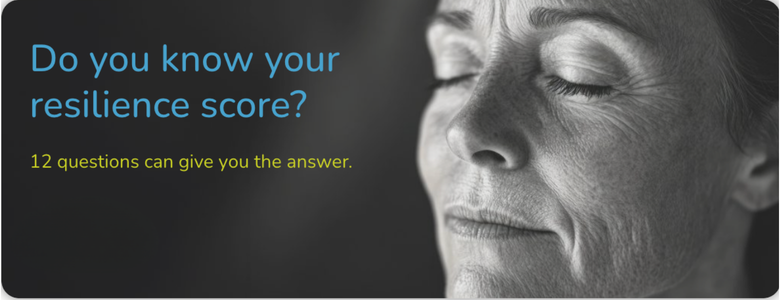
AIR’s FRQ-12 (Functional Resilience Questionnaire) is a short, 12-question tool designed to give fast insight into how resilience shows up at work.
As you read on, you may recognize some of the patterns described here. The FRQ-12 is designed to help turn those moments into clarity, offering an “ah-ha” understanding of strengths, pressures, and next steps.
Why January makes this pattern more visible
January brings a unique mix of pressure and contrast:
- A return to full workloads
- New goals or expectations
- Less daylight and energy
- The emotional contrast of “fresh start” expectations
Together, these factors amplify the strain that’s often been building quietly for months.
January doesn’t create burnout.
It reveals it.
What actually helps prevent burnout from repeating
Preventing burnout isn’t about pushing harder or taking longer breaks. It’s about changing the conditions people are working within.
That includes:
- More realistic workload design
- Clearer expectations and priorities
- Skills that help manage pressure in real time
- Leadership practices that reduce strain
- Systems that allow recovery to happen consistently, not just during time off
When these pieces are in place, time off becomes restorative instead of just a pause.
A pattern worth understanding
If burnout shows up every January, it’s not a coincidence.
It’s information.
Understanding the pattern rather than blaming individuals is often the first step toward meaningful change.
How strong is your mind?
The FRQ-12 is a short, free questionnaire designed to give fast insight into your brain’s core resilience circuits.
Twelve questions can uncover where strength is supporting you, and where pressure may be building, offering clarity, not labels.
What’s your number?
Related reading:
Resilience in Action: How AIR, Shannex, and CAN Health Are Supporting Frontline Workers
THE RESILIENCE EFFECT: Turning the 13 Psychosocial Factors Into Leadership Behaviours
Employee Burnout in the Workplace: Resilience Is the Solution